This Austrian Village Turns Into a Living Art Show — You Gotta See It
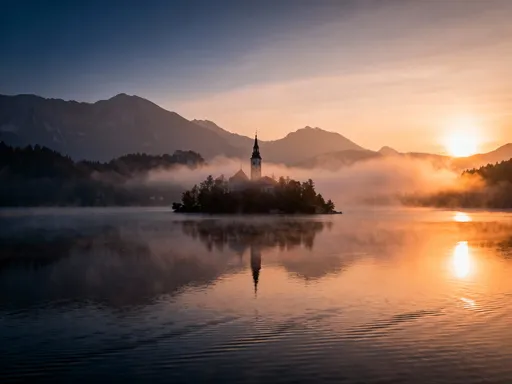
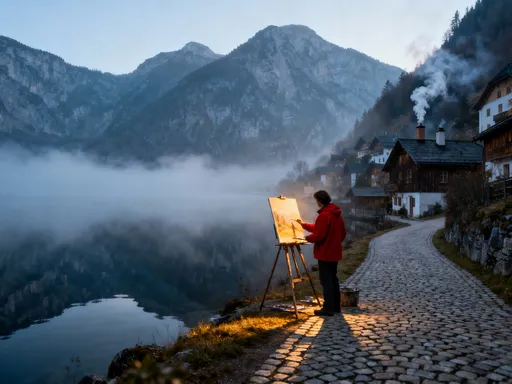
Nestled between mirror-like lakes and misty alpine peaks, Hallstatt, Austria, isn’t just a postcard-perfect town — it’s a canvas. During its seasonal festival, art spills from galleries into cobbled lanes, transforming the village into an open-air masterpiece. I wandered through sound installations by the water, watched painters capture twilight on canvas, and joined locals in ancient craft rituals. It’s not just about what you see — it’s how you feel. This is art that breathes, lives, and invites you in. In a world where travel often means checking sights off a list, Hallstatt offers something rarer: a moment of connection, where beauty is not observed from a distance but felt in your bones. Here, art doesn’t hang on walls — it grows from the landscape, echoing centuries of human expression shaped by mountain silence and water reflections.
Why Hallstatt? The Magic of Art in a Timeless Setting
Hallstatt’s charm is not accidental — it is the product of centuries of harmony between people and nature. Nestled on the western shore of Lake Hallstatt, this UNESCO World Heritage village has drawn admiration for its picturesque setting since the 19th century, when Romantic painters first immortalized its red-roofed homes and dramatic mountain backdrop. But beyond its visual perfection lies a deeper resonance: the stillness of the lake, the quiet grandeur of the Dachstein Alps, and the way light shifts across stone and water throughout the day create an atmosphere uniquely suited to contemplation and creativity. It’s no surprise that artists are drawn here — the landscape itself feels like a work of art in progress.
What makes Hallstatt an ideal stage for an art festival is not only its beauty but its scale. Unlike large urban centers where art events can feel overwhelming or impersonal, Hallstatt’s compact size allows for intimacy. The entire village spans less than a mile from end to end, with narrow footpaths connecting homes, chapels, and market squares. This closeness means that every corner holds the potential for discovery. A sculpture might appear beside a flower box, a poem could be carved into a wooden sign, or a live musician might play violin notes that ripple across the lake at dusk. The festival doesn’t invade the town — it flows through it, like a gentle current enhancing what already exists.
Moreover, Hallstatt’s deep historical roots provide a meaningful contrast to contemporary artistic expression. With evidence of human settlement dating back over 7,000 years and salt mining traditions stretching more than 3,000 years, the village carries a weight of memory. Yet rather than treating this heritage as something to be preserved behind glass, the festival embraces it as a living foundation. Modern installations often respond directly to the past — a light projection on the ancient church wall might reinterpret medieval symbols, or a soundscape in the old cemetery could layer voices from different eras. This dialogue between old and new gives the festival depth, ensuring that art here feels grounded, not fleeting.
The Heartbeat of the Festival: When Art Takes Over the Streets
The essence of Hallstatt’s art festival lies in its transformation of everyday spaces into unexpected galleries. There are no formal exhibition halls required — instead, creativity spills into the open air, inviting visitors to encounter art as naturally as they might a baker’s shop or a lakeside bench. The central marketplace, usually bustling with farmers’ stalls and coffee stands, becomes a stage for performance art, where dancers move in slow motion beneath fluttering fabric installations, their movements echoing the sway of reeds in the wind. Along the promenade, sculptors work in real time, shaping wood and stone as passersby pause to watch, ask questions, or simply absorb the rhythm of creation.
One of the most striking features is the integration of art into the natural environment. Sound installations placed along the lakeshore use hidden speakers to blend ambient music with the lapping of waves and birdsong, creating immersive auditory experiences that change with the weather and time of day. At night, soft lighting illuminates floating sculptures — delicate paper lanterns or mirrored orbs — that seem to hover above the water’s surface, reflecting both the stars and the village lights. These pieces don’t dominate the landscape; they enhance it, inviting viewers to see the familiar in a new way.
Even the village’s historic structures become part of the exhibition. The old salt mine tunnels, once used for centuries to extract the mineral that built Hallstatt’s early wealth, now host pop-up multimedia displays. Visitors walk through dimly lit passageways where digital projections animate the walls with shifting patterns of light and shadow, telling stories of miners’ lives through abstract visuals and sound. Nearby, traditional wooden boathouses — some over a century old — are transformed into intimate audio-visual spaces, where headphones allow listeners to hear interviews with local elders or experimental compositions inspired by alpine winds.
Perhaps the most powerful aspect of the festival is its accessibility. There are no entry fees, no timed tickets, no queues. Art is not something you must seek out in a designated space — it finds you. You might stumble upon a poet reading verses beside a fountain, or discover a small painting propped against a stone wall with a note: “Take me home if I speak to you.” This open, generous spirit reflects the character of the village itself — welcoming, unhurried, and deeply connected to shared human experience.
Local Craftsmanship Meets Modern Creativity
At the heart of the festival is a celebration of continuity — the idea that art is not just about innovation, but also about传承 (though the term is not used, the concept is clear). Hallstatt’s artisans have long upheld Alpine traditions: woodcarving, hand-blown glassmaking, handwoven textiles, and intricate embroidery. These crafts were once born of necessity, shaping tools, clothing, and household items for mountain life. Today, they are honored not as relics, but as living practices, passed down through generations and reimagined through modern expression.
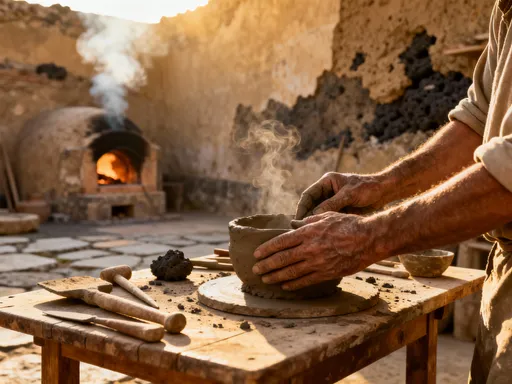
During the festival, visitors are invited to participate in hands-on workshops led by local masters. In a sunlit studio above the main street, a woodcarver demonstrates how to shape a spoon from a single block of cherry wood, explaining how each cut follows the grain, respecting the tree’s natural form. Nearby, a glassblower heats molten glass and spins it into delicate vases, their colors shifting like the lake at sunrise. These sessions are not performances — they are invitations to try, to make mistakes, to feel the resistance of material and the satisfaction of shaping something with your hands. Many participants leave with small creations of their own, not perfect, but imbued with personal meaning.
What makes these traditions resonate today is how they are woven into contemporary art. On one evening, a digital artist projects animated patterns onto the façade of a 16th-century house, using algorithms that mimic the flow of embroidery stitches. The result is a mesmerizing blend of old and new — the building seems to shimmer with living thread. In another installation, a soundscape artist records the rhythmic tapping of a woodcarver’s chisel and layers it with folk melodies played on traditional instruments, creating a sonic tapestry that plays through hidden speakers in the garden of the old town hall.
This fusion is not forced — it feels organic, born of mutual respect. The festival does not treat tradition as something to be preserved in amber, nor does it discard it in favor of novelty. Instead, it asks: how can the past speak to the present? How can a centuries-old craft inspire a digital artwork? By creating space for these conversations, the festival ensures that Hallstatt’s cultural identity remains vibrant, not static. For visitors, especially those interested in meaningful travel, this balance offers a rare opportunity to witness authenticity in motion.
How to Experience the Festival Like a True Insider
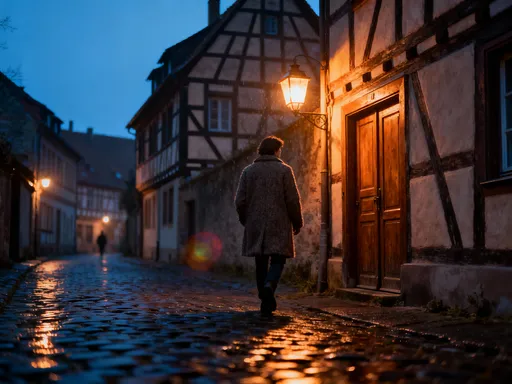
To truly appreciate the festival, timing and pace matter. While Hallstatt draws visitors year-round, the art festival period — typically held in late spring or early autumn — offers a special atmosphere when the village is alive with creative energy but not overwhelmed by crowds. For the most peaceful experience, arrive early in the morning, when the mist still hovers above the lake and the first artists are setting up their displays. This is the best time to walk the lakeside path without distraction, noticing small details: a painted stone tucked into a flower bed, a haiku printed on recycled paper and clipped to a clothesline between houses.
A recommended route begins at the ferry dock, where visitors arrive by boat from Obertraun. From there, follow the main promenade past the Catholic church and the bone house, then turn left onto the quieter upper lane that winds through residential alleys. This path leads to hidden installations — often placed in courtyards or beneath wooden eaves — that might be missed by those sticking to the central square. Along the way, stop at one of the small cafés run by families for generations. Order a slice of apple strudel and a cup of herbal tea, and listen. Locals often gather here to discuss the day’s events, and you might overhear an invitation to an afternoon sketching session or an evening storytelling circle.
Staying in a family-run guesthouse rather than a hotel enhances the experience significantly. These accommodations, often converted historic homes, offer not just rooms but connections. Hosts may share personal stories about the festival’s origins, recommend lesser-known artists, or even lend walking maps marked with their favorite installations. Some guesthouses set up community art walls in their gardens, where guests are encouraged to leave drawings, poems, or messages. Bringing a sketchbook or journal is highly recommended — many visitors find themselves inspired to create, even if they’ve never considered themselves artists.
Another insider tip: attend one of the informal artist meet-ups, usually announced on chalkboards outside local shops or posted on community boards. These gatherings, held in courtyards or lakeside pavilions, allow direct conversation with creators. You might learn how a sound artist recorded the echo of church bells beneath the lake’s surface, or how a painter captures the exact shade of morning light on wet stone. These moments of exchange deepen the experience, turning passive viewing into active engagement.
Art That Connects: Community, Nature, and the Viewer
What sets Hallstatt’s festival apart is its emphasis on connection — not spectacle. In larger cities, art fairs can feel transactional, focused on sales, fame, or trendsetting. Here, the focus is on presence, participation, and shared emotion. The festival creates spaces where people interact not just with art, but with each other and with the environment. A collaborative mural, begun by a visiting artist and completed by dozens of visitors’ brushstrokes, stands as a testament to collective creation. Nearby, children and grandparents alike add handprints in different colors, each mark a quiet declaration: I was here. I contributed.
One of the most moving experiences is the guided “silent walk,” offered several times during the festival. Participants gather at dawn and walk a marked path along the lake, instructed to remain quiet and open to sensation. At certain points, a sound artist triggers subtle audio elements — a single flute note, the rustle of paper, a whispered phrase in German dialect — that blend with the natural soundscape. The effect is meditative, heightening awareness of the world around you. You notice the chill of morning air, the texture of stone underfoot, the way light gradually warms the mountains. Art, in this context, is not something you look at — it’s something you inhabit.
The natural setting amplifies this sense of intimacy. Because the village is surrounded by protected landscapes, there are no jarring interruptions — no billboards, no traffic noise, no tall buildings. The art exists in dialogue with the mountains, the lake, the sky. A dancer performing beside the water at twilight doesn’t compete with the scenery — she becomes part of it, her movements mirroring the flow of current and wind. A poem tucked into a crevice in a stone wall feels like a secret left by the earth itself. These moments don’t shout for attention; they whisper, inviting you to lean in, to listen, to feel.
Beyond the Festival: Why This Art Experience Stays With You
Long after the festival ends, its impact lingers. Unlike commercial art events where the goal is acquisition — buying a piece, taking a photo, checking a box — Hallstatt’s festival leaves an emotional imprint. It doesn’t try to dazzle with scale or shock with novelty. Instead, it offers moments of stillness, reflection, and unexpected beauty. You might remember the way a violinist played a single, sustained note as fog rolled across the lake, or how a child laughed upon discovering a tiny painted bird hidden in a tree trunk. These are not grand gestures, but they resonate deeply because they feel authentic.
The absence of commercial pressure allows art to reclaim its role as a form of human expression, not a commodity. Artists here are not selling aggressively; many pieces are not for sale at all. Some installations are designed to disappear — a chalk drawing on stone washed away by rain, a paper sculpture that dissolves in sunlight. This impermanence is part of the message: art, like life, is fleeting. What matters is the experience, the connection, the feeling it evokes in the moment.
For many visitors, especially women in the 30–55 age range who often balance family, work, and personal well-being, this kind of experience is profoundly restorative. It offers a rare permission to slow down, to engage the senses, to reconnect with creativity — not as a skill to master, but as a way of being. You don’t need to be an artist to participate. You only need to be present. And in that presence, many find a quiet joy, a sense of belonging, and a renewed appreciation for the beauty that exists in ordinary moments.
Planning Your Visit: Logistics Without the Stress
Visiting Hallstatt during the festival is manageable with a bit of planning — and the good news is that the village is well-equipped for thoughtful travelers. The most scenic and eco-friendly way to arrive is by ferry from Obertraun, a short ride that deposits you directly in the heart of the village. Alternatively, a regional train connects to Hallstatt station, followed by a funicular ride down the steep hillside — a journey that offers breathtaking views even before you reach the lake.
Entry to the festival is free, though donations are welcomed and support local artists and environmental initiatives. There are no tickets or reservations required for most events, though workshops may have limited space and benefit from advance sign-up through the official festival website. Given the village’s small size, it’s best to explore on foot — comfortable walking shoes are essential, as paths are often cobblestone or slightly uneven.
Accommodations range from cozy guesthouses to small inns, most of which book up months in advance during festival season. Staying for two to three nights allows time to absorb the atmosphere without rushing. For meals, choose local eateries that source ingredients from regional farms — look for menus featuring lake fish, mountain herbs, and homemade bread. The festival also promotes eco-conscious practices: reusable water bottles are encouraged, waste bins are clearly marked for recycling, and visitors are reminded to respect the natural environment by staying on marked paths.
Perhaps the most important tip is this: let go of the need to see everything. Hallstatt’s art festival is not about completion. It’s about discovery, serendipity, and presence. Walk slowly. Sit by the water. Let your eyes linger. The art will find you — in a shadow, a sound, a sudden flash of color against stone. And when it does, you’ll understand why this village, this moment, this feeling, stays with you long after you’ve left the mountains behind.