You Won’t Believe These Instagram-Worthy Bites in Amsterdam
Amsterdam isn’t just canals and bikes—its food scene is pure magic. From golden stroopwafels fresh off the griddle to vibrant markets bursting with color, every bite tells a story. I wandered cobblestone streets, camera in hand, chasing flavors as photogenic as they are delicious. This city blends tradition and trend in ways that surprise even the savviest travelers. Whether framed by ivy-covered brick walls or glowing under the soft light of a canal-side lantern, Amsterdam’s culinary offerings invite both the palate and the lens. Here, food is more than sustenance—it’s a celebration of culture, craftsmanship, and visual harmony. This is a city where even a simple sandwich feels like a still-life waiting to be captured.
The Visual Feast: Why Amsterdam’s Cuisine Is Made for Instagram
Dutch cuisine has quietly evolved into one of Europe’s most visually compelling food cultures. Unlike overly stylized dishes that feel artificial, Amsterdam’s fare balances rustic charm with natural vibrancy, making it ideal for authentic, shareable moments. The city’s culinary aesthetic thrives on contrast: the deep amber of a freshly fried bitterball against a white ceramic plate, the crimson swirl of herring on a paper cone, or the powdery snowfall of powdered sugar on a stack of poffertjes. These are not staged—they are everyday delights, elevated by context and light.
What makes these images truly stand out is the setting. Amsterdam’s narrow canal houses, with their arched bridges and flower-box windows, provide a painterly backdrop. Cafés often feature large windows that flood interiors with soft, diffused daylight—perfect for capturing the sheen of melted cheese or the flaky layers of a stroopwafel. Even in winter, when daylight is brief, the warm glow of indoor lighting enhances the coziness of a meal, turning a simple cheese board into a moment of hygge captured in pixels.
The rise of food photography in travel culture has only amplified Amsterdam’s appeal. Travelers no longer just taste local specialties—they document them. This isn’t about vanity; it’s about memory-making. A photo of a Dutch pancake folded around smoked salmon and chives isn’t just a post—it’s a sensory bookmark. The city’s food culture encourages this blend of observation and participation, where enjoying a meal also means appreciating its form. In Amsterdam, eating is an act of both consumption and curation.
Albert Cuyp Market: A Street Food Lover’s Dream Come True
No visit to Amsterdam is complete without a stroll through the Albert Cuyp Market, the city’s most iconic street food destination. Stretching over 250 meters through the heart of De Pijp, this bustling stretch pulses with energy, aroma, and color. Locals and tourists alike weave through stalls piled high with fresh strawberries, rainbow carrots, and wheels of aged Gouda. But it’s the food stands that steal the show—each one a stage for culinary theater.
The most photographed moment here? A cone of fries slathered in mayonnaise, peking sauce, or the beloved Dutch specialty, fritessaus. The golden-brown fries glisten under the sun, their texture crisp and inviting. When shot at golden hour, the light catches the droplets of sauce, turning a humble snack into a work of art. Equally iconic is the raw herring stand, where fishmongers in white aprons hand out paper cones of chilled herring topped with onions. The contrast of silver fish against bright red onion is striking, and the act of eating it—head first, no fork—adds a touch of cultural drama to the image.
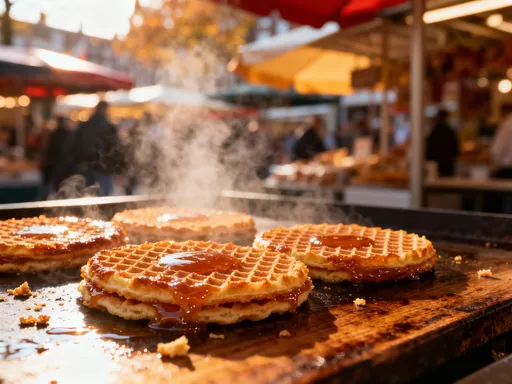
For the best experience, arrive early in the morning when the market is still dewy with freshness. By midday, crowds thicken, and the best photo opportunities—like a quiet stall with perfect lighting—disappear. Start at the south end, where fresh produce creates a colorful tapestry, then work your way toward the heart of the food vendors. Don’t miss the stroopwafel cart, where waffles are pressed to order, their caramel oozing from the center. Capture the moment the vendor folds the warm waffle over a stick, steam rising like a whisper. These are the unscripted scenes that define Amsterdam’s street food soul.
Hidden Cafés with Style: Where Atmosphere Meets Flavor
Beyond the tourist hubs, Amsterdam hides a network of intimate cafés where design and flavor coexist in harmony. These are not just places to drink coffee—they are curated spaces where every detail, from the ceramic mug to the pendant lighting, contributes to the experience. Tucked down cobbled alleys or nestled between houseboats, these spots offer a slower, more intentional way to enjoy a meal.
One such café features terracotta tiles underfoot, shelves lined with vintage cookbooks, and hanging ivy that drapes like a living curtain. The barista serves oat milk lattes with intricate rosettes, each one slightly different—like snowflakes made of foam. Paired with a slice of lemon drizzle cake, the plate becomes a study in texture: the crumb of the cake, the gloss of the glaze, the matte finish of the mug. These are the details that make a photo feel personal, not polished.
Many of these cafés prioritize local sourcing, which adds another layer of authenticity to the experience. A seasonal tart might feature rhubarb from a nearby farm, its pink stalks arranged in a spiral that looks hand-painted. The menu changes with the months, ensuring that each visit feels unique. For photographers, this means returning in spring for asparagus dishes or in autumn for spiced pear tarts. The rhythm of the seasons becomes part of the visual narrative.
What sets these cafés apart is their quiet confidence. They don’t shout for attention on social media—their beauty speaks softly. Yet, they are increasingly discovered by travelers seeking more than a caffeine fix. They want a moment: the steam rising from a cup, the sunlight hitting a wooden table, the pause between sips. In a city that never stops moving, these spaces offer stillness—and the perfect frame.
Dutch Classics, Reimagined: Modern Twists on Timeless Tastes
Amsterdam’s culinary scene honors tradition while embracing innovation. Chefs across the city are reinterpreting classic Dutch dishes with modern techniques and global influences, creating plates that are both familiar and surprising. The result? Food that tastes like home but looks like art.
Take the humble bitterballen—a deep-fried meat ragout ball traditionally served with mustard. In some restaurants, it’s now presented as a trio on a slate plate, each one dusted with a different spice: paprika, turmeric, or herbs. The cutaway shot reveals a molten center, the sauce pooling like lava. It’s a dish designed to be photographed before it’s eaten. Similarly, poffertjes—miniature fluffy pancakes—are no longer just dusted with powdered sugar. Now, they come with matcha powder, berry coulis, or even edible flowers, turning a childhood favorite into a gourmet experience.
Another example is the Dutch rye bread sandwich, or broodje. Once a simple lunch for workers, it’s now elevated with smoked eel, pickled vegetables, and herb aioli, served on artisanal bread with a crust that crackles on camera. The layers are visible, the colors vibrant—deep brown bread, silvery fish, green dill—all arranged with care. These reinventions don’t erase tradition; they celebrate it in a new language.
The best places for this culinary fusion are casual, neighborhood restaurants where the focus is on flavor, not formality. Menus are often handwritten, and service is warm but unobtrusive. These spots attract locals who appreciate quality and creativity without pretense. For visitors, they offer a chance to taste the evolution of Dutch cuisine—one beautifully plated dish at a time.
Canal-Side Eats: Dining with a View That Sells Itself
Dining in Amsterdam is as much about the view as it is about the meal. Along the city’s 100 kilometers of canals, restaurants and cafés have mastered the art of outdoor living. Whether it’s a brunch boat gently rocking on the water or a terrace strung with fairy lights, these spaces turn a meal into a memory.
One of the most photographed experiences is breakfast on a houseboat café. Picture a long wooden table set with linen napkins, fresh fruit, and Dutch pancakes topped with banana and honey. Behind it, the canal reflects the morning sky, soft pinks and blues blending with the pastel facades of 17th-century homes. The light at this hour is gentle, casting long shadows and highlighting textures—the weave of a basket, the glaze on a muffin. It’s a scene that feels both luxurious and relaxed.
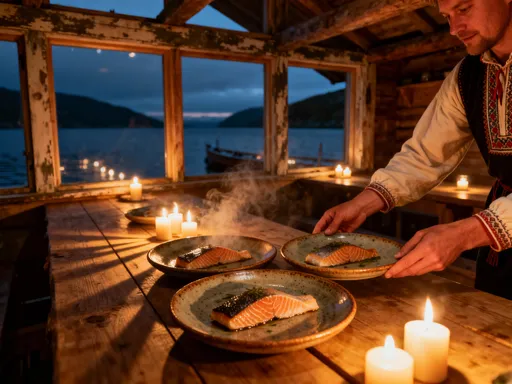
For lunch or dinner, floating restaurants offer a more intimate setting. These converted barges feature large windows that frame the water like living paintings. A plate of grilled mackerel with root vegetables might be served as the sun begins to dip, its golden rays dancing across the surface. The reflection doubles the visual impact, turning a single moment into a symmetrical composition. These venues are popular, so reservations are essential—especially for tables near the window.
Even in colder months, the city finds ways to keep the canal experience alive. Heated terraces with wool blankets and hot apple cider create cozy enclaves. The glow of lanterns on the water, the steam from a warm drink, the sound of a passing boat—these are the details that make winter dining just as photogenic. Amsterdam proves that beauty isn’t seasonal; it’s a matter of perspective.
Sweet Spots: The Rise of Instagrammable Desserts
If Amsterdam has a dessert renaissance, it’s happening in its bakeries and ice cream parlors. Gone are the days when stroopwafels were the only sweet temptation. Today, patisseries are crafting confections that are as much about visual drama as they are about taste. From rainbow sprinkles to pastel macarons, these treats are made to be shared—first with friends, then with followers.
One bakery has gained fame for its waffles topped with edible flowers, fresh berries, and a drizzle of white chocolate. The layers are tall, the colors bright, and the contrast between the golden waffle and the vibrant toppings is irresistible. Another spot specializes in artisanal ice cream, with flavors like salted caramel, lavender honey, and yuzu. The scoops are served in handmade ceramic bowls, often with a sprig of mint or a dusting of gold leaf. The texture of the ice cream—creamy, slightly melting—is captured beautifully in close-up shots.
Poffertjes, once a simple street snack, have been reinvented with matcha powder, red bean paste, and black sesame. These Japanese-inspired versions add a new dimension to the classic, both in flavor and appearance. The green powder against the pale pancakes creates a striking contrast, while the traditional version—dusted with sugar and served with butter—remains a favorite for its nostalgic charm.
What makes these desserts truly shareable is their craftsmanship. Each element is placed with intention. A drip of sauce isn’t accidental—it’s calculated. A sprinkle of color isn’t random—it’s balanced. These bakeries understand that in the age of social media, a dessert must satisfy two appetites: the stomach and the feed. Yet, they never sacrifice taste for looks. Every bite confirms what the photo promised.
Beyond the Plate: Capturing Culture Through Food
While the photos are stunning, the true magic of Amsterdam’s food scene lies in the moments behind the lens. Food here is a bridge—to people, to place, to tradition. A simple exchange at a market stall, a smile from a baker, the shared laughter over a plate of fries—these are the intangible ingredients that no filter can replicate.
Seasonal customs also play a role. During King’s Day, orange-themed treats appear—cupcakes with orange frosting, stroopwafels dipped in orange chocolate. In winter, markets sell oliebollen, deep-fried dough balls dusted with sugar, often enjoyed while standing in the cold, breath visible in the air. These traditions aren’t performed for tourists; they’re lived. Capturing them means slowing down, observing, and participating.
Photographing food in Amsterdam becomes a way to connect. It invites conversation—with vendors about their recipes, with fellow diners about their favorites, with locals about hidden gems. A photo of a cheese shop isn’t just about the wheels on display; it’s about the cheesemaker’s story, the aging process, the region it came from. The image becomes a doorway to deeper understanding.
For travelers, this means shifting from simply taking pictures to truly seeing. It’s about noticing the way a server places a plate, the pride in a chef’s eyes, the care in a handwritten menu. These details tell a richer story than any perfectly lit flat lay ever could. Amsterdam teaches that the most beautiful meals are not just seen—they are felt.
Amsterdam’s culinary charm lies in its authenticity and visual rhythm. Each dish, market, and moment offers more than flavor—it invites a deeper, more beautiful way to travel. Pick up your fork, and your phone—this city is ready to be tasted and told.