You Won’t Believe These Hidden Gems in Nuremberg
Nuremberg isn’t just about medieval walls and Christmas markets—there’s a whole other side most tourists miss. I wandered off the main paths and discovered quiet courtyards, local craft workshops, and flavors you won’t find in guidebooks. This city pulses with history, yes, but also with intimate, everyday magic. If you’re looking for authentic moments over photo ops, let me show you the Nuremberg only locals seem to know. Beyond the guidebook highlights lies a quieter rhythm, one measured in cobblestone echoes, the scent of freshly baked bread, and the soft glow of lanterns in centuries-old alleys. This is not a city that reveals itself all at once. It unfolds slowly, like a well-worn map passed from one generation to the next. And for those willing to step off the beaten path, the rewards are deeply personal, rich with character, and entirely unforgettable.
Beyond the Castle: The Quiet Heart of Old Town
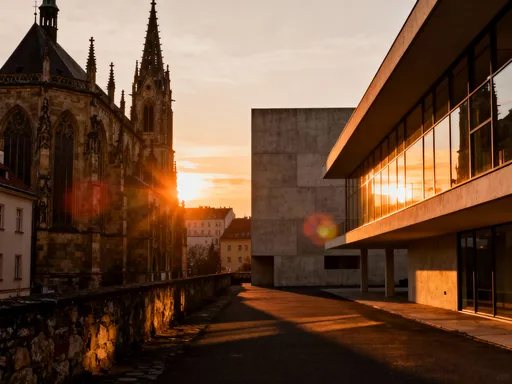
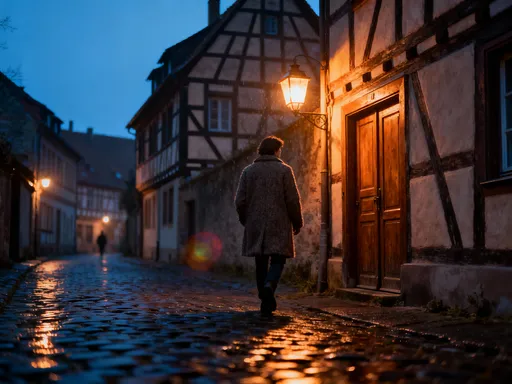
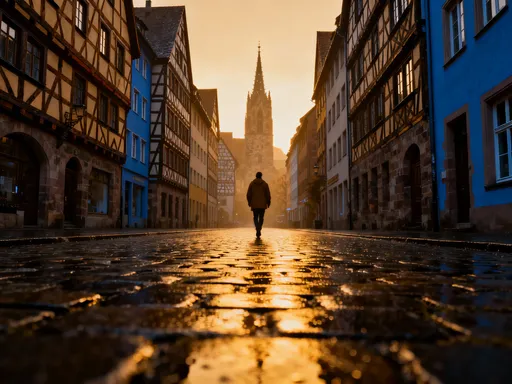
Nuremberg’s iconic Kaiserburg Castle draws crowds from around the world, and for good reason—it stands as a powerful symbol of the city’s imperial past, perched high above the rooftops with sweeping views of the old town. Yet, the true soul of Nuremberg lies not in the fortress itself, but in the winding lanes and hidden courtyards just beyond its stone shadow. Venture behind the castle, down narrow alleys like Spitalgasse or Bogengasse, and you’ll find a different world—one where half-timbered houses lean gently toward one another, their weathered facades whispering stories of centuries gone by. These lanes are often empty of tour groups, save for the occasional resident returning home with a bag of groceries or a dog on a leash.
Among these quiet passages, tucked behind unassuming wooden doors, lie hidden green spaces that most visitors never see. Courtyards such as those near Tiergärtnertor are oases of calm, where ivy climbs ancient walls and potted geraniums bloom in summer sunlight. Some are private, accessible only to residents, while others welcome quiet exploration during daylight hours. These spaces were once vital to daily life in medieval Nuremberg—places for washing clothes, storing firewood, or sharing news with neighbors. Today, they serve as peaceful reminders of a slower, more intimate way of living. The contrast with the bustling Hauptmarkt, just a short walk away, could not be starker. There, crowds gather beneath the Church of Our Lady, drawn by brass bands and the scent of roasted almonds. Here, in the castle’s quieter corners, time seems to pause, allowing visitors to feel the city’s medieval heartbeat without the noise.
Walking these lanes offers more than just scenic beauty; it provides a sensory connection to Nuremberg’s enduring character. The uneven cobblestones underfoot, the cool shade of overhanging eaves, the distant chime of church bells—all contribute to an atmosphere that feels both timeless and deeply personal. This is not a curated experience designed for cameras, but a living, breathing part of the city that has resisted the pressures of mass tourism. For travelers seeking authenticity, these quiet zones offer a rare gift: the chance to wander without crowds, to pause in a sun-dappled courtyard, and to imagine life as it was centuries ago—not as a spectacle, but as a quiet, continuous thread.
A Local’s Morning: Coffee, Bread, and Market Whispers
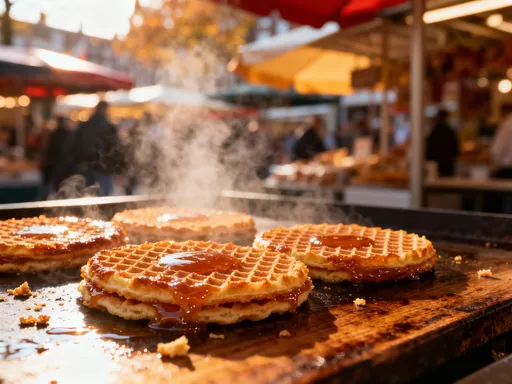
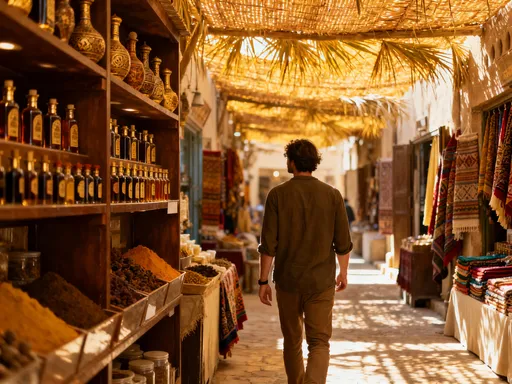
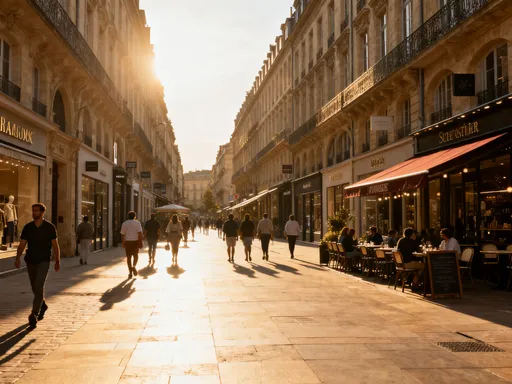
One of the simplest yet most revealing ways to experience Nuremberg like a local is to begin the day as residents do—with a visit to a neighborhood market or a small café where the rhythm of morning unfolds naturally. While many tourists head straight to the famous Christkindlesmarkt or the bakery stalls near the castle, locals often start their mornings in quieter spots like the weekly market at Bauerngasse or the small vendors tucked behind St. Sebald Church. These are not destinations promoted in travel brochures, but places where Nurembergers buy their bread, cheese, and seasonal produce, exchanging greetings and small talk with vendors they’ve known for years.
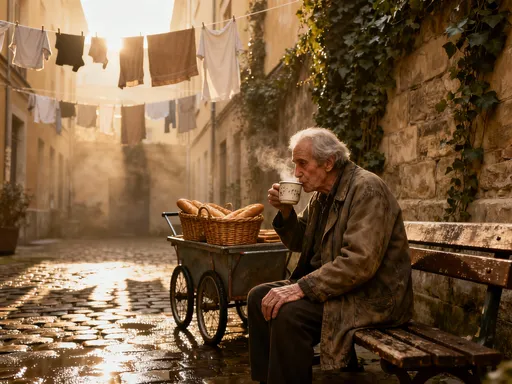
The heart of this morning ritual is fresh Laugengebäck—Nuremberg’s beloved pretzel-shaped bread, its dark brown crust glistening with coarse salt. Baked fresh each morning in wood-fired ovens, it carries a distinct tang from the lye wash used in its preparation. Paired with a cup of locally roasted coffee, often served in thick ceramic mugs, it forms the foundation of a traditional breakfast. The best places to enjoy this are not the glossy cafés with multilingual menus, but the modest establishments where the barista remembers your order after just one visit. These spots may lack Wi-Fi or Instagrammable décor, but they offer something far more valuable: a sense of belonging.
At these neighborhood markets, the air is rich with the scent of caraway from fresh bratwurst, the earthy aroma of mushrooms, and the sweetness of ripe apples. Vendors proudly display their goods—honey from nearby hives, handmade jams, and regional cheeses wrapped in brown paper. Conversations happen in rapid German, punctuated by laughter and the occasional nod to a passing neighbor. For the observant visitor, this is a masterclass in daily life. Learning a few simple phrases—“Guten Morgen,” “Ein Laugengebäck, bitte,” “Danke schön”—can open doors, even if imperfectly spoken. The effort is appreciated, and often rewarded with a warmer smile, an extra slice of sausage, or a recommendation for the best place to buy fresh sauerkraut. This is not tourism as performance, but as participation.
Crafted in Silence: Hands-On Workshops Off the Beaten Path
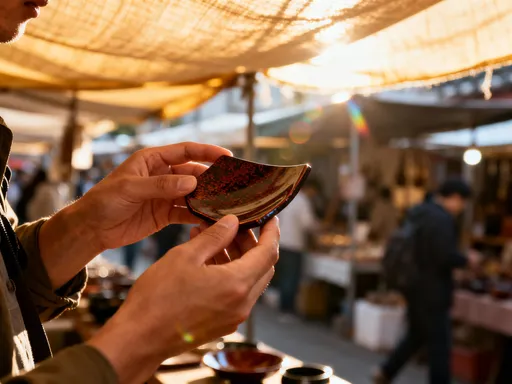
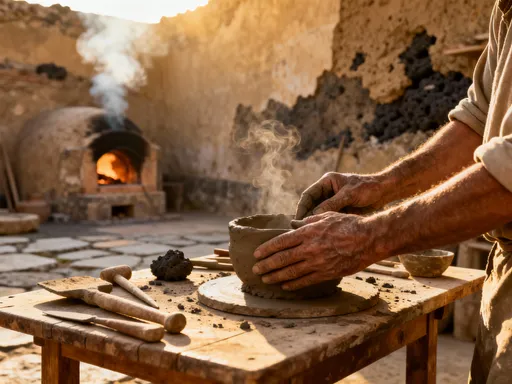
Nuremberg has long been celebrated for its tradition of craftsmanship, from precision instruments in the Renaissance to the delicate art of toy making that still thrives today. While many visitors admire these creations in museums or souvenir shops, few take the opportunity to experience them firsthand. Yet, just a short walk from the main tourist routes, along the banks of the Pegnitz River, small studios house artisans who continue centuries-old practices in near silence, their hands moving with the precision of generations. These are not demonstrations for tourists, but working spaces where woodcarvers, glassblowers, and metalworkers shape their materials with care and quiet dedication.
One of the most rewarding ways to connect with this heritage is through a hands-on workshop. Several cultural centers in the old town, such as the Kunsthandwerkerhof Nürnberg, offer short sessions where visitors can try their hand at traditional crafts. Among the most popular is the chance to carve a small Nuremberg nutcracker—a symbol of the city’s toy-making legacy. Under the guidance of a master carver, participants select a piece of untreated wood and use simple tools to shape a figure that, while modest, carries the weight of tradition. The process is neither fast nor easy, but that is part of its value. It teaches patience, attention to detail, and respect for the craft.
These workshops are rarely advertised online, and booking often requires a phone call or an in-person inquiry. But the effort is worth it. Unlike mass-produced souvenirs, the items created in these sessions carry personal meaning. More importantly, the experience fosters a deeper appreciation for the skill and time involved in traditional craftsmanship. Other opportunities include glassblowing sessions, where molten glass is shaped into delicate ornaments, and embroidery workshops that preserve the intricate textile patterns once used in Bavarian folk costumes. These are not passive tours, but active engagements with Nuremberg’s cultural soul. For families, they offer a meaningful way to spend time together, creating something tangible while learning about the city’s artistic legacy.
The Forgotten Trail: A Walk Along the City’s Ancient Walls
While most visitors focus on the well-preserved sections of Nuremberg’s medieval fortifications near the Haupttor, a quieter and equally impressive stretch runs along the southern edge of the old town, near Spitalplatz. This path, part of the original 14th-century defensive walls, is rarely crowded, offering a peaceful alternative to the more famous viewpoints. Here, moss blankets the stone, ivy climbs the watchtowers, and sunlight filters through the trees that now grow in the spaces once reserved for archers and sentries. It is a place where history and nature coexist, where the past is not frozen, but gently reclaimed.
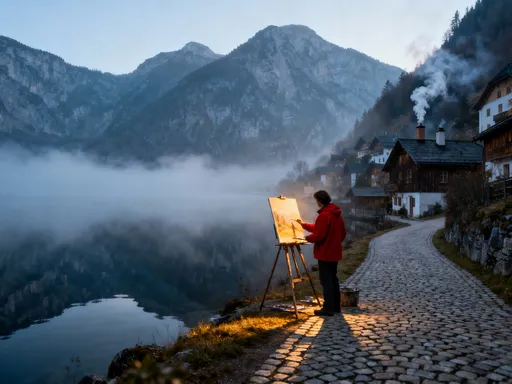
Walking this trail feels like stepping into a forgotten chapter of the city’s story. The walls once stretched for over four kilometers, forming a formidable barrier against invasion. Today, they serve as a promenade for locals and inquisitive travelers, a place for slow walks, quiet reflection, or even sketching. The towers along this stretch—some round, some square—offer glimpses into private gardens, where flower beds bloom and laundry flutters on lines. Birds nest in the crevices, and in the early morning, the only sounds are the rustle of leaves and the distant bark of a dog.
What makes this path special is not just its beauty, but its authenticity. There are no ticket booths, no guided tours, no signs explaining every stone. Instead, visitors are left to explore at their own pace, to run their fingers over the weathered rock, and to imagine the lives of those who once guarded these walls. Information plaques, when present, are in German and aimed at residents, not tourists. This lack of interpretation is, in a way, a gift—it allows the imagination to fill the gaps. For children, the walls become castles; for adults, they become a meditation on time and change. The trail ends near the Spital Church, where a historic hospital once cared for the sick and poor. Today, the surrounding area is a quiet residential neighborhood, where life unfolds with little regard for the crowds just a few streets away.
Dinner Like a Local: The Unmarked Door That Leads to Magic
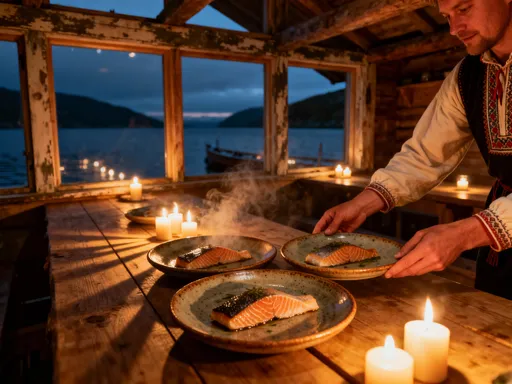
One of the greatest pleasures of traveling is discovering a place so genuine that it feels like a secret. In Nuremberg, such places exist—not in glossy restaurant guides, but behind plain wooden doors in neighborhoods like Gostenhof or Erlenstegen. These are *Wirtshäuser*—family-run taverns where Nurembergers gather for hearty meals, regional beer, and conversation that lasts for hours. They do not rely on online reviews or English menus. Their reputation is built on consistency, warmth, and food made the way grandmothers once did.
Take, for example, a small establishment tucked away on a side street near the Plärrer U-Bahn station. There is no sign, only a chalkboard listing the daily specials in neat German script: *Schnitzel mit Kartoffelsalat, Schweinshaxe, hausgemachte Sauerkraut*. Inside, the walls are lined with vintage beer steins and framed photographs of local festivals. The tables are close together, encouraging conversation between strangers. The beer, poured from regional breweries like Tucher or Brückner, is dark, rich, and served in generous half-liter glasses. The food arrives on thick ceramic plates—crispy, golden schnitzel, tangy potato salad made with vinegar and broth, and dark rye bread still warm from the oven.
What sets these places apart is not just the food, but the atmosphere. There is no background music competing with conversation, no pressure to turn over tables. Meals unfold slowly, often beginning with a round of *Brotzeit*—a small platter of cold cuts, pickles, and mustard—followed by the main course and, if there’s room, a slice of *Apfelstrudel* dusted with powdered sugar. The staff move with quiet efficiency, greeting regulars by name and offering recommendations without rushing. For visitors, the experience is both humbling and rewarding. It requires a willingness to step outside the comfort of familiar menus and embrace the unknown. But for those who do, the reward is a meal that feels like hospitality, not service—a moment of connection in a world that often feels too fast.
Nightfall in the Courtyards: When the City Breathes Easy
As the sun sets behind the rooftops of Nuremberg, the city undergoes a quiet transformation. The tour buses depart, the souvenir shops close their shutters, and the old town settles into a different rhythm. This is the hour when the inner courtyards—hidden behind arched passageways and iron gates—come alive with a soft, golden glow. Lanterns flicker to life, casting long shadows on cobblestones worn smooth by centuries of footsteps. The air cools, carrying the faint scent of woodsmoke and blooming jasmine. It is a time of stillness, yet also of subtle energy, as locals gather in small groups, sipping wine on private balconies or stepping out for an evening stroll.
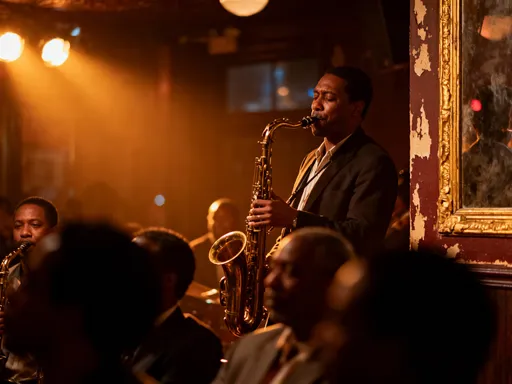
The Sebald quarter, in particular, takes on a magical quality after dark. Its narrow streets, quiet during the day, become intimate corridors lit by antique-style lampposts. Music drifts from hidden jazz bars—soft piano notes, the hum of a double bass—inviting passersby to pause and listen. Some courtyards host small gatherings, where neighbors share stories over glasses of *Glühwein* even in summer, their laughter echoing off the stone walls. These moments are not staged for tourists; they are the natural rhythm of urban life in a city that values tradition and community.
For the visitor willing to wander without a map, this is the most rewarding time to explore. There are no crowds, no queues, no need to follow a schedule. Instead, there is the freedom to move slowly, to notice the details—the way ivy moves in the breeze, the reflection of light in a rain puddle, the silhouette of a gargoyle against the night sky. It is in these quiet hours that Nuremberg feels most alive, not as a museum of the past, but as a living city with deep roots and a gentle pulse. The experience is not about seeing more, but about feeling more—about allowing the atmosphere to settle into your bones and carry you through the night.
How to Find Your Own Hidden Nuremberg
The beauty of Nuremberg’s lesser-known side is that it is not hidden because it is exclusive, but because it does not seek attention. It exists in the everyday—the morning market, the quiet workshop, the unmarked tavern, the moonlit courtyard. To discover it, one must travel differently. Instead of tourist shuttles, take the local bus lines—routes 4, 5, and 11 connect the old town with residential neighborhoods like Eibach, Reichelsdorf, and Marienberg. These areas are not postcard-perfect, but they are real, filled with family homes, corner bakeries, and playgrounds where children laugh in German and Turkish and Italian.
Visit on weekdays, when schools are in session and offices are open. Mornings are ideal for markets and workshops; evenings for quiet walks and local dining. Speak a few words of German, even if only to say “Entschuldigung” or “Wie viel kostet das?”—the effort is often met with warmth and patience. Talk to shopkeepers, ask for recommendations, and be willing to follow a gesture down an unfamiliar street. Some of the best discoveries come from such moments—a small bookstore with a hidden reading nook, a flower stand run by an elderly couple, a park where seniors play chess under linden trees.
The goal is not to collect sights, but to collect moments. To linger over coffee until the barista asks how your day is going. To watch an artisan sand the edge of a wooden toy with quiet focus. To sit at a communal table and share a round of beer with strangers who feel, for a moment, like neighbors. These are the experiences that stay with you long after the trip ends—not because they were grand, but because they were real. They remind us that travel is not just about seeing new places, but about seeing them with new eyes. In Nuremberg, that means stepping beyond the castle walls, beyond the Christmas markets, and into the quiet, beating heart of the city.
Nuremberg’s hidden experiences aren’t secret because they’re forbidden—they’re quiet because they don’t shout for attention. By stepping beyond the postcard views, you don’t just see the city; you feel its heartbeat. In slowing down, you discover that the most unforgettable journeys aren’t measured in miles, but in moments that linger long after you’ve left.