You Won’t Believe What I Ate in Victoria, Seychelles
If you think island food is just coconut and fish, think again. I went to Victoria, Seychelles expecting sun and sand—but left obsessed with the flavors. From bustling markets to seaside grills, every bite told a story of spice, sea, and culture. This isn’t just dining; it’s discovery on a plate. Let me take you where tourism ends and real taste begins. In a city barely six square kilometers with no traffic lights, Victoria defies expectations—not through size, but through soul. Here, food isn’t served; it’s shared. It’s not reheated; it’s freshly made with rhythms passed down through generations. This is a place where flavor is heritage, and every meal feels like an invitation into the heart of island life.
First Impressions: Stepping into Victoria’s Vibrant Pulse
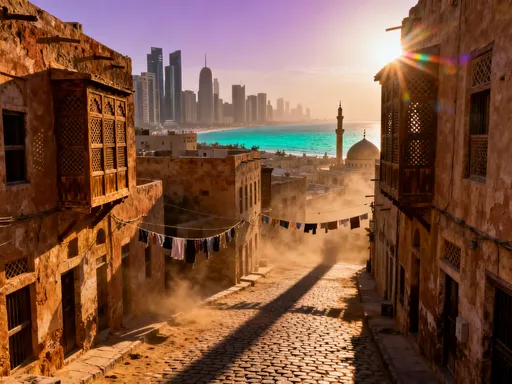
Arriving in Victoria, the capital of Seychelles, feels less like entering a city and more like stepping into a living postcard. As one of the smallest capital cities in the world, it doesn’t boast towering skyscrapers or sprawling boulevards. Instead, its charm lies in pastel-painted buildings with corrugated roofs, streets named after spices, and the constant hum of Creole conversation drifting from open-air shops. The moment you step off the plane and into the warm, salty air, you’re greeted by the scent of frangipani, grilled fish, and something deeper—vanilla. Yes, vanilla lingers in the breeze here, grown in nearby plantations and often sold in hand-wrapped bundles at roadside stalls.
What strikes most visitors is how alive Victoria feels. Unlike many tropical destinations that cater solely to tourists, this city pulses with everyday life. Fishermen haul in their morning catch at the harbor, children walk home from school past open-front kitchens, and elders sip tea under shaded verandas, watching the world pass by. Food is central to this rhythm. It’s not something reserved for restaurants or special occasions—it’s woven into the fabric of daily existence. Markets open at dawn, kitchens fire up by mid-morning, and by late afternoon, the scent of simmering curries drifts from nearly every home.
That’s what makes Victoria so unique: it doesn’t feel like a destination designed for visitors. It feels like a community that welcomes you in. There’s no need to “find the real culture”—because you’re already standing in it. The city’s compact size means you’re never far from a local cook, a street vendor, or a grandmother selling banana fritters from her porch. And in this intimacy, the true essence of Seychellois cuisine begins to unfold—not as performance, but as practice, as tradition, as love made edible.
The Heartbeat of Flavor: Sir Selwyn Selwyn-Clarke Market
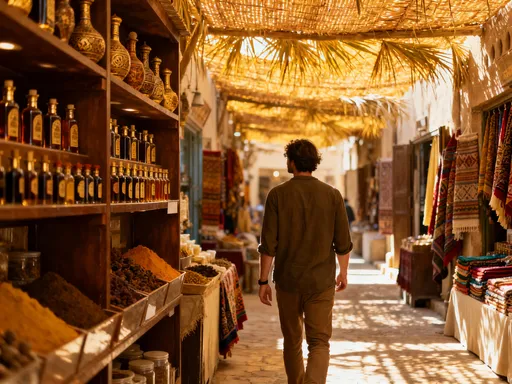
If Victoria has a culinary soul, it resides in the Sir Selwyn Selwyn-Clarke Market. This vibrant, multi-story marketplace isn’t just a place to buy food—it’s a living archive of island flavors, a crossroads of cultures, and the beating heart of local gastronomy. From the moment you step inside, your senses are overwhelmed in the best possible way. The air is thick with the perfume of ripe mangoes, nutmeg, and smoked fish. Brightly colored fruits—soursop, papaya, starfruit—pile high in wooden crates. Vendors call out in Creole, offering samples of jackfruit or freshly cracked coconut.
On the ground floor, the fish section is a sight to behold. Long slabs of tuna, red snapper, and jobfish glisten on ice, each labeled with the name of the fisherman and the day’s catch. Nearby, octopus hangs like dark ribbons, still dripping seawater, a sign of how close this food is to its source. But it’s not just seafood that defines the market. The spice stalls are equally mesmerizing—rows of dried chilis, turmeric root, and the island’s famous girofle, or clove, grown in abundance in the highlands of Mahé. These ingredients are the foundation of Creole cooking, where boldness is balanced with care.
What makes this market truly special is how it reflects Seychelles’ multicultural roots. You’ll see Indian women grinding fresh masala beside Creole elders selecting vanilla pods, while Chinese-Seychellois vendors sell bok choy and long beans. This is where French techniques meet African heat and Indian complexity. A vendor might offer you a taste of shark chutney—a pungent, spiced condiment made from boiled shark, lime, and chili—while explaining how her grandmother taught her to balance the acidity just right. There’s no pretense here, no attempt to cater to foreign palates. This is food made for locals, by locals, and tasting it feels like being let in on a well-kept secret.
From Ocean to Table: How Seafood Defines Seychellois Dining
In Seychelles, the ocean isn’t just a backdrop—it’s the pantry. And nowhere is this more evident than in the way seafood is prepared and honored in Victoria. Fishing is more than a livelihood; it’s a tradition passed from father to son, from generation to generation. Most boats still go out at dawn, using methods that haven’t changed in decades—hand lines, small nets, and deep knowledge of the tides. This commitment to sustainable, small-scale fishing means that what ends up on your plate is not only fresher but more flavorful.
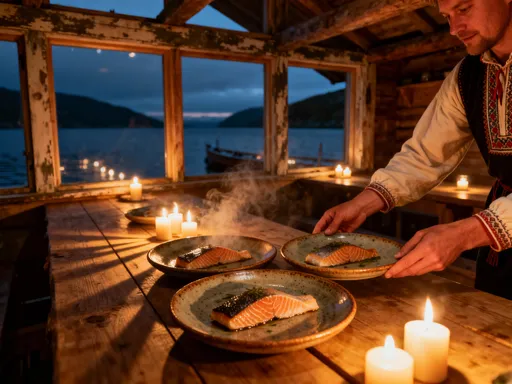
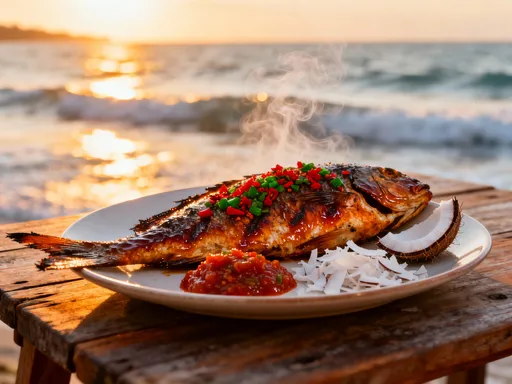
The most iconic method of cooking fish here is over takamaka wood—a native hardwood that burns slowly and imparts a delicate smokiness. You’ll find roadside grills where fish are split open, seasoned simply with lime, garlic, and chili, then laid over glowing embers. The result is flaky, moist flesh with a charred edge that crackles when you bite. One of the must-try dishes is grilled jobfish served with a side of chutney made from green papaya or mango. The tartness cuts through the richness of the fish, creating a harmony that’s both surprising and satisfying.
Then there’s ladob fish—a slow-cooked Creole specialty where fish is simmered in coconut milk, ginger, and turmeric until it falls apart. It’s often served with plantains or cassava, both of which absorb the creamy sauce beautifully. Another standout is octopus curry, a dish that showcases the island’s mastery of spice. The octopus is tenderized with care, then stewed in a rich gravy of onions, garlic, and curry leaves, finished with a splash of lime. Unlike some curries that overwhelm, this one is layered—warming but not burning, aromatic but not heavy.
What makes these dishes so memorable isn’t just their taste, but the philosophy behind them. There’s no rush, no mass production. Fish is cooked the same day it’s caught. Spices are ground by hand. Meals are shared. This respect for ingredients and process is what elevates Seychellois seafood from mere sustenance to something sacred. When you eat here, you’re not just consuming food—you’re participating in a culture that honors the sea.
Hidden Eats: Off-the-Beaten-Path Spots Only Locals Know
While the markets and waterfront restaurants offer unforgettable experiences, the true magic of Victoria’s food scene lies in its hidden corners—places you won’t find on any tourist map. These are the buvettes, small family-run eateries tucked behind palm trees or down narrow alleyways, where the menu is spoken, not written, and the chef is often the owner’s mother. These spots don’t advertise. They don’t need to. Locals know where to go, and if you’re lucky enough to be invited, you’re in for a meal that lingers in memory long after the plate is empty.
One such discovery was a roadside stall near the old post office, marked only by a faded blue awning and a chalkboard in Creole. I followed the scent of grilled meat and found myself at a counter where an elderly woman served shark chutney with boiled rice and fried plantains. The chutney was unlike anything I’d tasted—spicy, tangy, with a deep umami that came from slow cooking and careful seasoning. She explained that the shark is boiled for hours to remove any bitterness, then shredded and mixed with onions, chili, and lime juice. It’s a dish born of necessity—using every part of the catch—but now cherished as a national treasure.
Another unforgettable moment came at a backyard buvette in the Roche Caiman district. There, a young couple served a simple Creole platter: grilled red snapper, lentils cooked with thyme, and a salad of cucumber and tomato dressed in coconut oil. There were no forks—just spoons and hands. We sat on plastic chairs under string lights, sharing stories with other diners. No one spoke English, but the warmth was universal. In that moment, food wasn’t just nourishment; it was connection. It didn’t matter that I couldn’t name every ingredient. What mattered was the trust, the generosity, the sense of belonging.
These hidden kitchens remind us that the best meals aren’t always the most polished. They’re the ones served with pride, made with love, and shared without hesitation. They challenge the idea that good food requires white tablecloths or Michelin stars. In Victoria, greatness is found in simplicity, in authenticity, in the quiet confidence of someone who knows their craft and shares it freely.
Creole Cuisine Uncovered: More Than Just a Meal
To understand Seychellois food, you must first understand Creole culture—a tapestry woven from African, French, Indian, and Chinese threads. This isn’t fusion in the modern, trendy sense. It’s a deep, historical blending that happened over centuries of migration, trade, and survival. And nowhere is this more evident than in the kitchen. Creole cuisine is not about complicated techniques or exotic ingredients. It’s about transformation—how a few simple elements, when combined with care, can create something profoundly satisfying.
At the core of most dishes is coconut milk—creamy, rich, and slightly sweet. It’s the base for curries, the binder for stews, the secret behind the silkiness of ladob. Then there’s ginger, used generously for its warmth and digestive benefits. Chilies, often the fiery bird’s eye variety, add heat but also depth. Garlic, onion, and thyme are the holy trinity of aromatics, sautéed until golden before liquids are added. And always, there’s lime—squeezed at the end to brighten the dish, to cut through the richness, to awaken the palate.
What’s remarkable is how these flavors coexist without clashing. A curry might be spicy, but it’s never harsh. A chutney might be sharp, but it’s balanced with sweetness. This balance is intentional—a reflection of island life, where extremes are softened by nature and community. Eating a Creole platter feels like being welcomed into a home. The portions are generous. The presentation is humble. But the care is evident in every bite.
More than that, sharing food is a cultural ritual. Meals are rarely eaten alone. Even at small buvettes, strangers end up at the same table, passing spoons and laughing over mispronounced words. This communal spirit is baked into the cuisine. When someone offers you a plate, they’re not just feeding you—they’re inviting you into their world. In a time when so much of travel feels transactional, this kind of generosity is rare and deeply moving.
Dining with a View: Where Scenery Meets Supper
Of course, Victoria isn’t the only place to experience Seychellois cuisine. The island offers dining experiences where the setting is as memorable as the meal. Along the coast, jetty restaurants stretch over the water, their wooden platforms creaking gently with the tide. Here, you can dine with your feet almost touching the sea, watching the sun dip below the horizon as a plate of grilled fish arrives, still warm from the grill.
One of the most celebrated spots is a waterfront restaurant in the Eden Island area, where open-air tables face the calm bay. The kitchen is visible—no walls, no doors—so you can see chefs flipping fish over wood fires, stirring pots of curry, and plating dishes with practiced ease. The menu leans tourist-friendly, but the ingredients are local, and the flavors remain true. A platter of grilled octopus with saffron rice and a side of lentil salad offers a refined take on island staples, perfect for those wanting comfort with a view.
But the real charm lies in finding balance—between accessibility and authenticity. Some seaside restaurants cater heavily to visitors, offering international dishes alongside Creole ones. Others remain deeply local, with minimal signage and menus only in Creole. The best approach is to start with the tourist-friendly spots to build familiarity, then venture deeper. Ask your taxi driver where he eats. Follow the locals to the beachside grills after sunset. Let curiosity be your guide.
There’s something magical about eating outdoors here, where the ocean breeze carries the scent of salt and woodsmoke, and the sound of waves replaces background music. In these moments, food becomes more than fuel. It becomes part of the landscape, part of the rhythm of the island. The open-air kitchen isn’t just a design choice—it’s a philosophy. Cooking and eating are meant to be seen, shared, enjoyed in the open, under the sky.
Bringing It Home: How This Food Journey Changed My Palate
Returning home from Victoria, I found myself changed—not just in memory, but in habit. My kitchen, once dominated by quick meals and imported spices, began to reflect the rhythms I’d learned. I started shopping at local markets, seeking out fresh fish and seasonal produce. I slowed down. I cooked with intention. And I rediscovered the joy of simple ingredients treated with respect.
One of the most lasting lessons was the value of fresh sourcing. In Seychelles, food is never frozen out of convenience. Fish is eaten the same day it’s caught. Fruits are picked ripe. Spices are whole, not powdered. This attention to freshness transforms even basic dishes. Inspired by this, I began buying whole spices—cumin, coriander, cloves—and toasting them before grinding. The difference in flavor was immediate and profound. A simple lentil soup, once bland, now carried warmth and depth.
I also embraced the Creole principle of balance. Instead of loading dishes with salt or sugar, I focused on layering flavors—using lime for brightness, coconut milk for creaminess, chili for heat. I made a version of shark chutney using smoked tuna, adapting it to what was available. My family was skeptical at first, but one bite changed their minds. We started eating together more, sharing plates, talking through meals. The table became a place of connection, not just consumption.
Most importantly, I learned to be curious. Travel isn’t just about seeing new places—it’s about tasting them, feeling them, letting them change you. Victoria taught me that the most meaningful souvenirs aren’t bought in shops. They’re carried in memory, in flavor, in the way a single meal can open a window into another world. And now, whenever I cook with coconut milk and chili, I’m not just making dinner. I’m revisiting an island, a market, a smile from a woman who shared her recipe like a gift.
Dining in Victoria isn’t just about filling your stomach—it’s about feeding your soul. Every meal became a moment of connection, a discovery of culture through spice and smoke. This island taught me that the best journeys aren’t measured in miles, but in memories made bite by bite. Ready to taste the real Seychelles? Your table is waiting.